Hormone health affects many functions in the body, including energy, sleep, metabolism, mood, reproductive health, and overall wellness.
For many years, hormone care was often discussed only in relation to specific medical conditions or major life stages, such as menopause, andropause, thyroid disorders, or fertility concerns. Today, the conversation has become broader. More patients and healthcare providers are looking at hormones as part of long-term wellness, prevention, and quality of life.
This does not mean that every symptom is caused by hormones. Fatigue, weight changes, mood shifts, poor sleep, and low motivation can have many possible causes. However, hormone levels can be one factor worth evaluating when symptoms are persistent, unexplained, or affecting daily function.
Modern hormone care focuses on understanding the whole patient, not just one lab result. It considers symptoms, medical history, lifestyle, age, risk factors, and individual health goals.
What Hormone Health Means
Hormones‚ the chemical messengers that are produced in glands throughout the body‚ travel within the blood to their target organs․
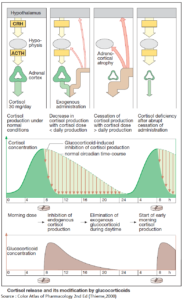
Some of the most widely studied are the sex hormones estrogen‚ progesterone and testosterone‚ the thyroid hormones‚ the pancreatic hormone insulin‚ and the adrenal hormone cortisol․ Each has specific roles‚ but they can also interact․
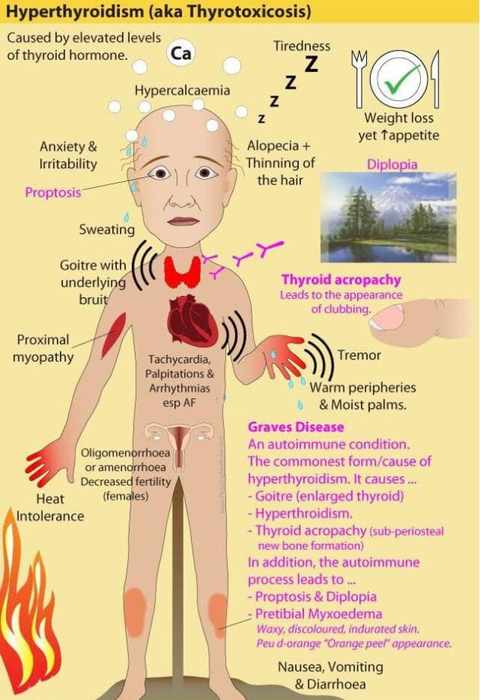
Thyroid hormones regulate metabolism; cortisol controls the stress response․ Other steroid hormones include estrogens and progestogens‚ which regulate reproduction‚ bone and cardiovascular health‚ mood‚ and other systems․ Testosterone affects sexual function‚ fat distribution‚ muscle mass‚ energy levels‚ and well-being; testosterone levels and treatment indications differ between men and women․
Some people may notice differences in how they feel or how they function when there is a change in hormone levels‚ although it may not be obvious․
Some of the common symptoms of hormone imbalance include:
- Fatigue
- Sleep problems
- Mood changes
- Low libido
- Changes in body composition
- Difficulty concentrating
- Hot flashes or night sweats
- Reduced motivation
- Changes in menstrual cycles
- Lower exercise tolerance
However‚ the same symptoms can also be caused by stress‚ diet‚ sleep‚ medications‚ mental health‚ chronic disease‚ or simply normal changes associated with aging․ Hence‚ proper medical evaluation upfront should always be the first step in considering hormone treatment․
Why Personalized Care Matters
Hormone care is not one-size-fits-all.
Two patients can have similar symptoms but very different underlying causes. One person may be dealing with thyroid dysfunction. Another may have low testosterone, menopause-related changes, chronic stress, poor sleep, or nutritional deficiencies. In some cases, hormone levels may be normal, and symptoms may be related to another health issue entirely.
This is why personalized care is an important part of modern hormone medicine.
A careful evaluation may include reviewing symptoms, medical history, medications, lifestyle factors, family history, and appropriate lab testing. Lab results are useful, but they should be interpreted in context. Treating numbers alone without considering the patient’s overall health can lead to poor decision-making.
Modern hormone care often involves personalized hormone health strategies that are based on clinical evaluation, patient goals, and ongoing monitoring.
This approach may help healthcare providers identify whether hormone therapy is appropriate, whether lifestyle changes should be prioritized, or whether additional evaluation is needed.
Personalized care also matters because hormone needs can change over time. Aging, stress, weight changes, medication use, illness, and lifestyle habits can all affect hormone patterns. A treatment plan that is appropriate at one stage of life may need to be adjusted later.
Hormones, Aging, and Quality of Life
Males and females both experience changes in their hormones throughout their lives.
In women‚ changes in estrogen and progesterone during the perimenopause and menopause may be responsible for the appearance of hot flashes‚ night sweats‚ sleep disturbances‚ mood changes‚ vaginal dryness‚ and loss of bone density․
Testosterone levels may gradually decline with age in men‚ possible effects of low testosterone may include fatigue‚ lower libido‚ loss of muscle mass‚ increased fat mass‚ and/or decreased motivation or mood․ The changes that occur in hormones are not the same for all people and should not be attributed exclusively to testosterone․
The goal of hormone replacement therapy is not to reverse aging or achieve unrealistic goals‚ but rather to maintain the best possible health‚ functioning‚ and quality of life in people with a clinically documented hormone deficiency to ensure healthy aging.
This is an important distinction․
Hormone therapy is sometimes appropriate for patients with documented deficiencies and other clinical indications․ It may not be appropriate for others․ For such patients‚ alternative approaches such as lifestyle changes‚ sleep treatment‚ nutritional improvements‚ exercise‚ stress management‚ or treatment of other medical conditions may be more effective․
- Good hormone care begins with asking better questions:
- Are your symptoms new or persistent?
- Does it affect your daily life?
- Other factors include sleep‚ stress‚ diet and medication․
- Do lab results match symptoms?
- Are there any risks to consider?
- Is treatment medically appropriate?
This form of assessment avoids oversimplifying thinking and aids in providing safer care․
The Role of Prevention and Wellness
Prevention is a major part of modern healthcare.
Instead of waiting until symptoms become severe, many patients are interested in understanding their health earlier. This may include regular lab work, lifestyle changes, weight management, exercise, sleep support, and monitoring risk factors over time.
Hormone health can be part of this preventive approach.
For example, thyroid function may affect energy, metabolism, and cardiovascular health. Estrogen changes after menopause may influence bone density and genitourinary health. Testosterone levels may be relevant in certain men with symptoms of deficiency. Insulin and cortisol patterns may also provide insight into metabolic health and stress response.
However, prevention does not mean treating every hormone fluctuation.
Hormones naturally change throughout the day, across menstrual cycles, during illness, after intense exercise, and with age. Not every change requires treatment. Medical context matters.
A prevention-focused approach may involve identifying patterns, reducing risk factors, and helping patients make informed decisions about their long-term health. This may include lifestyle interventions, clinical monitoring, or treatment when appropriate.
Healthy lifestyle habits remain foundational for hormone health and overall wellness. These include:
- Regular physical activity
- Adequate protein and nutrient intake
- Consistent sleep habits
- Stress management
- Limiting alcohol use
- Maintaining a healthy weight
- Managing chronic health conditions
- Routine medical care
Hormone therapy may be one tool in selected cases, but it should not replace these fundamentals.
Safety, Monitoring, and Medical Oversight
Hormone care should always involve qualified health professionals’ guidance․
This is especially important since the risks of hormone therapy depend on the patient‚ route of treatment‚ dose and duration of therapy‚ medical history and monitoring plan‚ and so may vary considerably․
Forms of medical monitoring include laboratory testing‚ symptom control‚ follow-up appointments‚ dose modification‚ and monitoring side effects․ In addition to those listed‚ monitoring could include a healthcare provider checking blood count‚ liver function‚ lipoproteins‚ prostate-specific antigen‚ thyroid function‚ or anything else relevant to the treatment in question․
Patients should also disclose any supplements‚ medications‚ previous hormone use‚ and medical history‚ as these can affect the safety and course of treatment․
Unsupervised use of hormones can cause issues‚ either by masking problems‚ causing new symptoms‚ or increasing the risk of developing later conditions․ This is part of the reason for the heavy focus on individualization and monitoring of modern hormone treatment․
A clinical approach doesn’t ask whether a patient should receive therapy; instead‚ the focus is whether the therapy remains appropriate for their needs․
Access to Modern Hormone Care
Access to hormone care has changed in recent years.
Some patients still prefer in-person care with their primary doctor, gynecologist, urologist, or endocrinologist. Others use telehealth platforms to discuss symptoms, complete lab testing, and receive provider-guided care when appropriate.
The advantage of modern access is convenience, but convenience should not replace medical standards. Patients still need licensed providers, appropriate testing, clear education, and ongoing monitoring.
For individuals who want to learn more before speaking with a provider, online hormone wellness resources can offer general education about hormone-related symptoms, treatment options, and questions to discuss during a medical visit.
Platforms such as Premier Hormone Health provide educational information and access to licensed healthcare professionals for patients interested in understanding hormone-related wellness concerns.
Conclusion
Modern hormone care is about more than treating isolated symptoms. It is about understanding how hormones interact with aging, wellness, prevention, and overall quality of life.
Hormone health can influence energy, sleep, metabolism, sexual health, mood, and physical function. However, hormones are only one part of a much larger health picture. Symptoms should always be evaluated in context, with attention to lifestyle, medical history, lab results, and individual risk factors.
A thoughtful approach to hormone care emphasizes personalized evaluation, medical oversight, and long-term monitoring. For some patients, hormone therapy may be appropriate. For others, lifestyle changes or treatment of another condition may be the better path.
The most important step is not to assume. It is to ask informed questions, seek qualified guidance, and take a balanced approach to health and wellness over time.
This article is a guest contribution submitted by a professional healthcare writer and reviewed for accuracy.