Anxiety in the Emergency Department
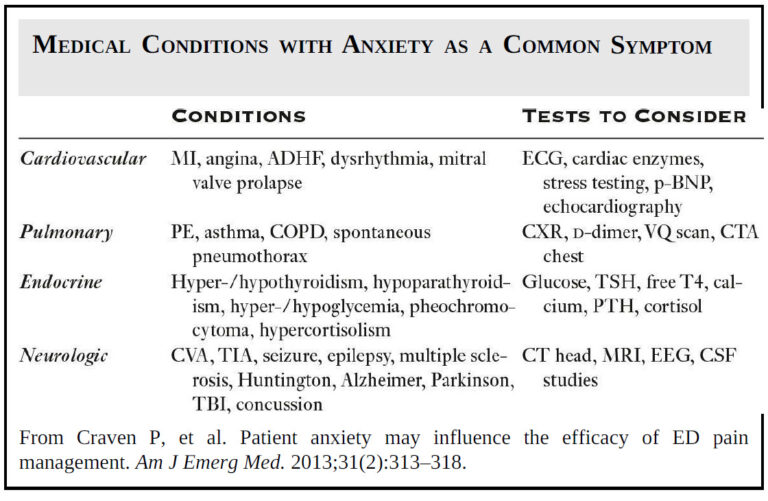
The Anxious State limbic system, in particular the amygdala, facilitates autonomic arousal under conditions of uncertainty or distress. The increase in sympathetic tone contributes to a state of readiness with…
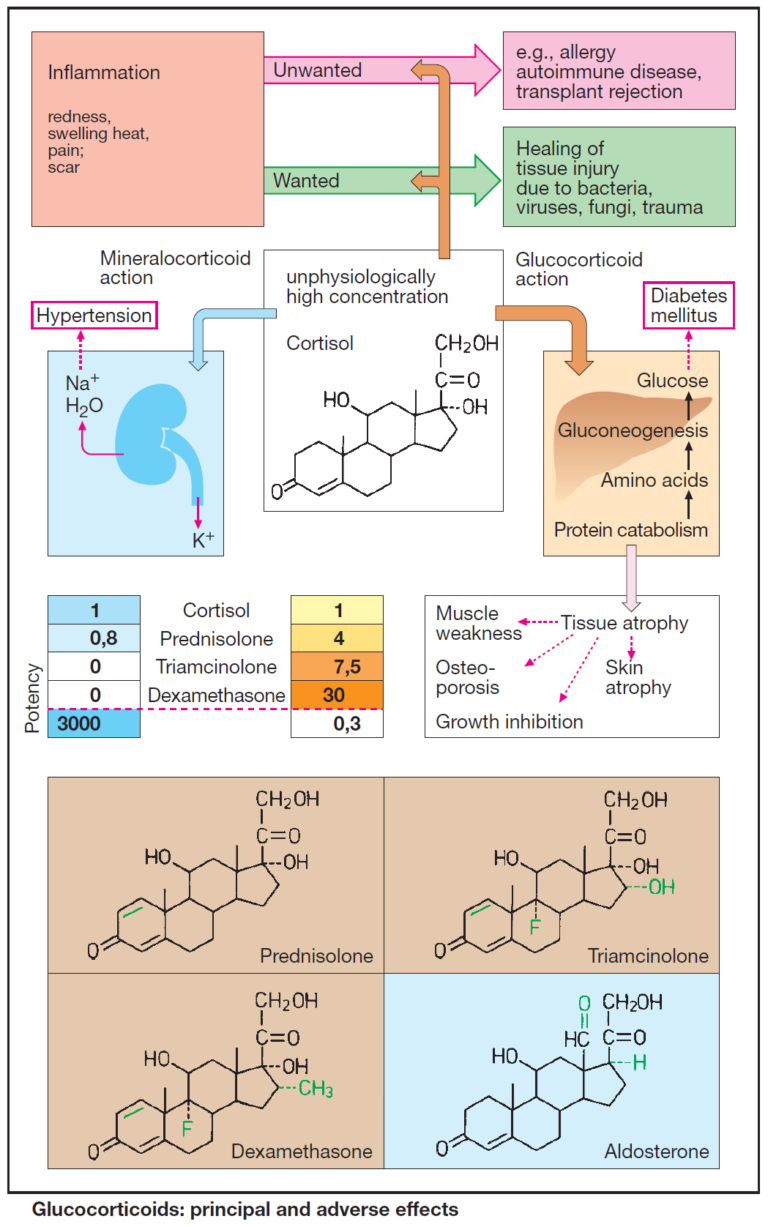
I. Replacement therapy The adrenal cortex (AC) produces the glucocorticoid cortisol (hydrocortisone) and the mineralocorticoid aldosterone. Both steroid hormones are vitally important in adaptation responses to stress situations, such as…
Hyperphosphatemia Hyperphosphatemia is defined as a serum level above 2.5 mg/dL, but it is usually clinically significant only when levels are greater than 5 mg/dL. Although it is rare in…
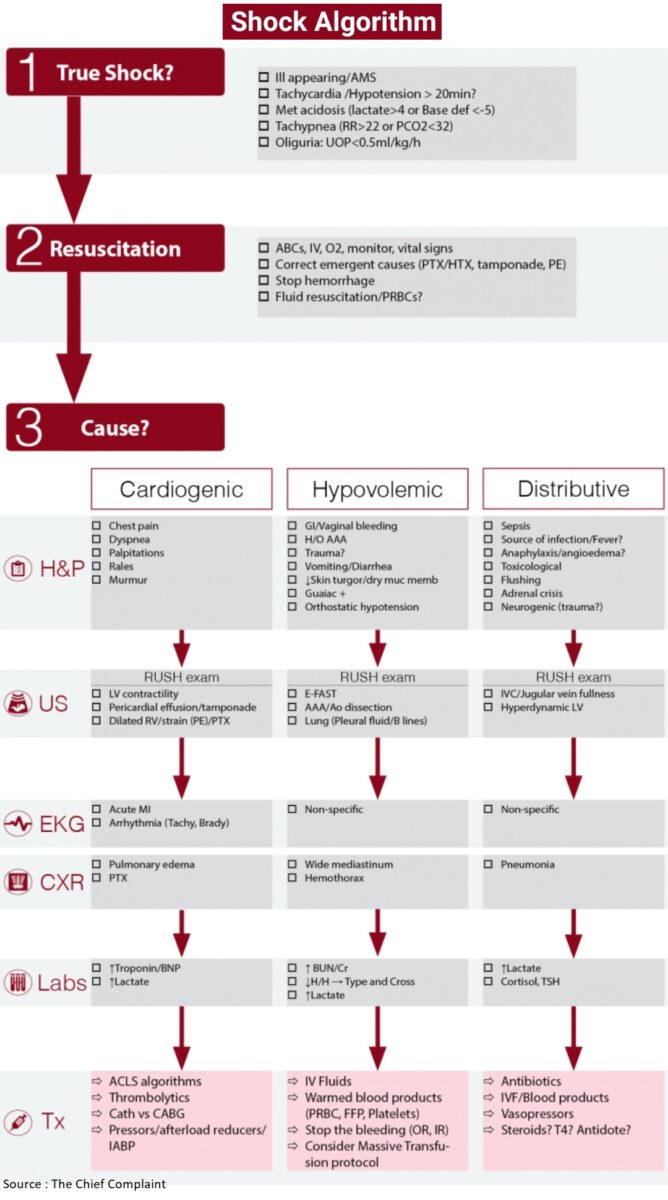
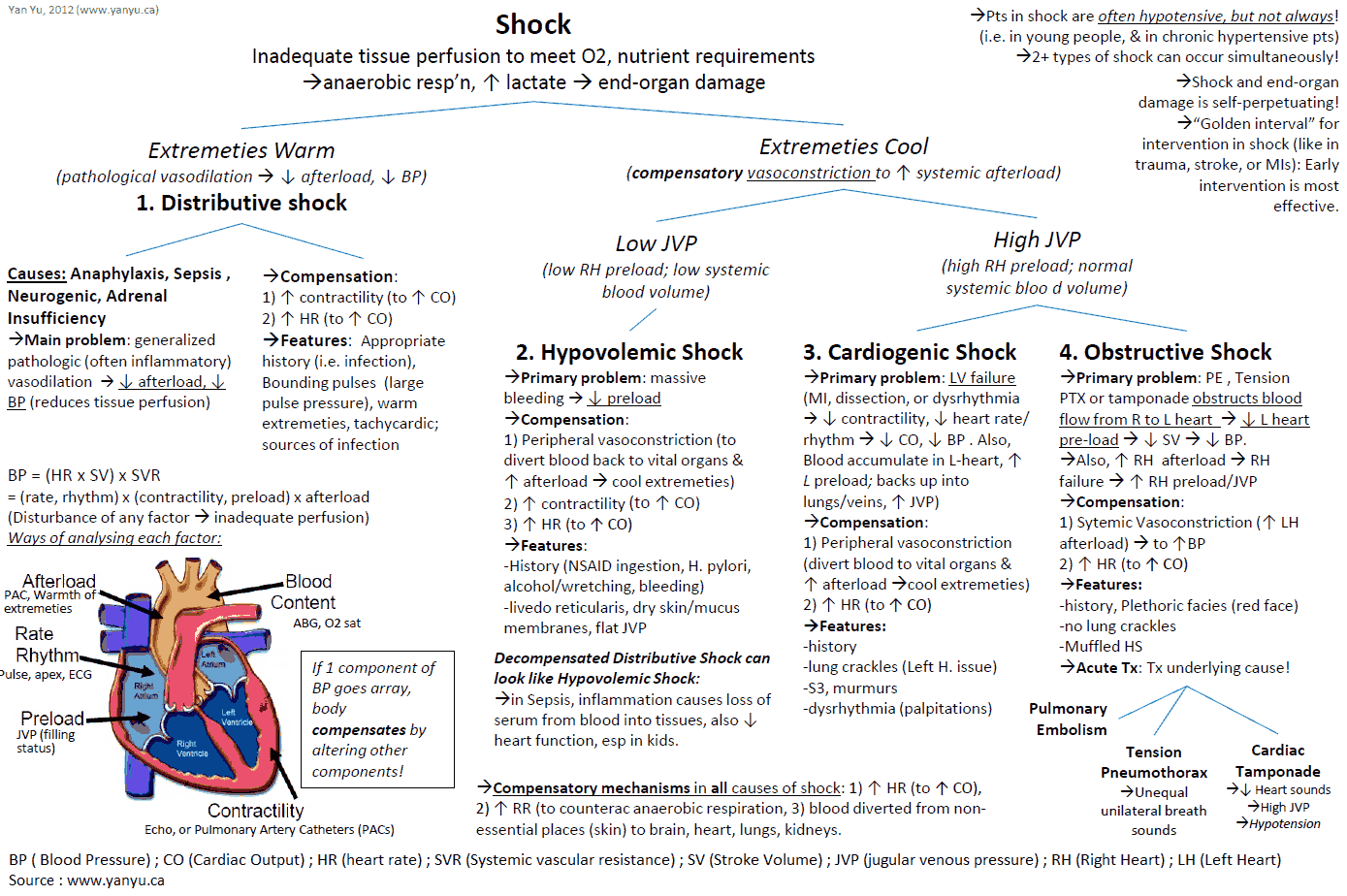
The goal for the patient in shock is rapidly identifying that the patient is in shock, finding the cause of shock and treating the cause while simultaneously resuscitating the patient.…
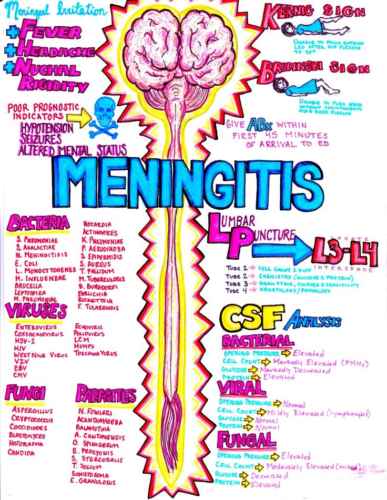
Infectious meningitis can be caused by a variety of bacterial, viral, fungal, and parasitic organisms. Bacterial and viral organisms account for the most common types of infectious meningitis...
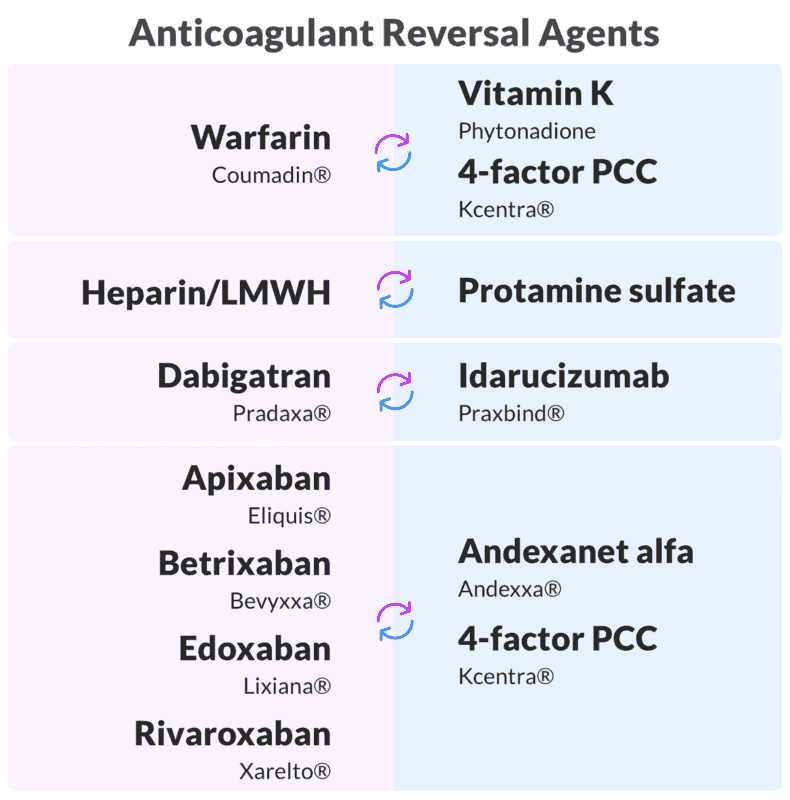
A classic scenario of life-threatening hemorrhage requiring emergent anticoagulant reversal is that of intracranial hemorrhage (ICH). We extrapolate recommendations for other hemorrhages from this often-studied patient group...
Thyroid storm is an extreme version of hyperthyroidism with a mortality rate that approaches 30%, even with treatment. The recognition and management of thyroid storm can be difficult in the…
The patient in Undifferentiated Circulatory Shock presents a unique challenge for the emergency physician, as the provider must perform time-critical resuscitation with limited diagnostic information...
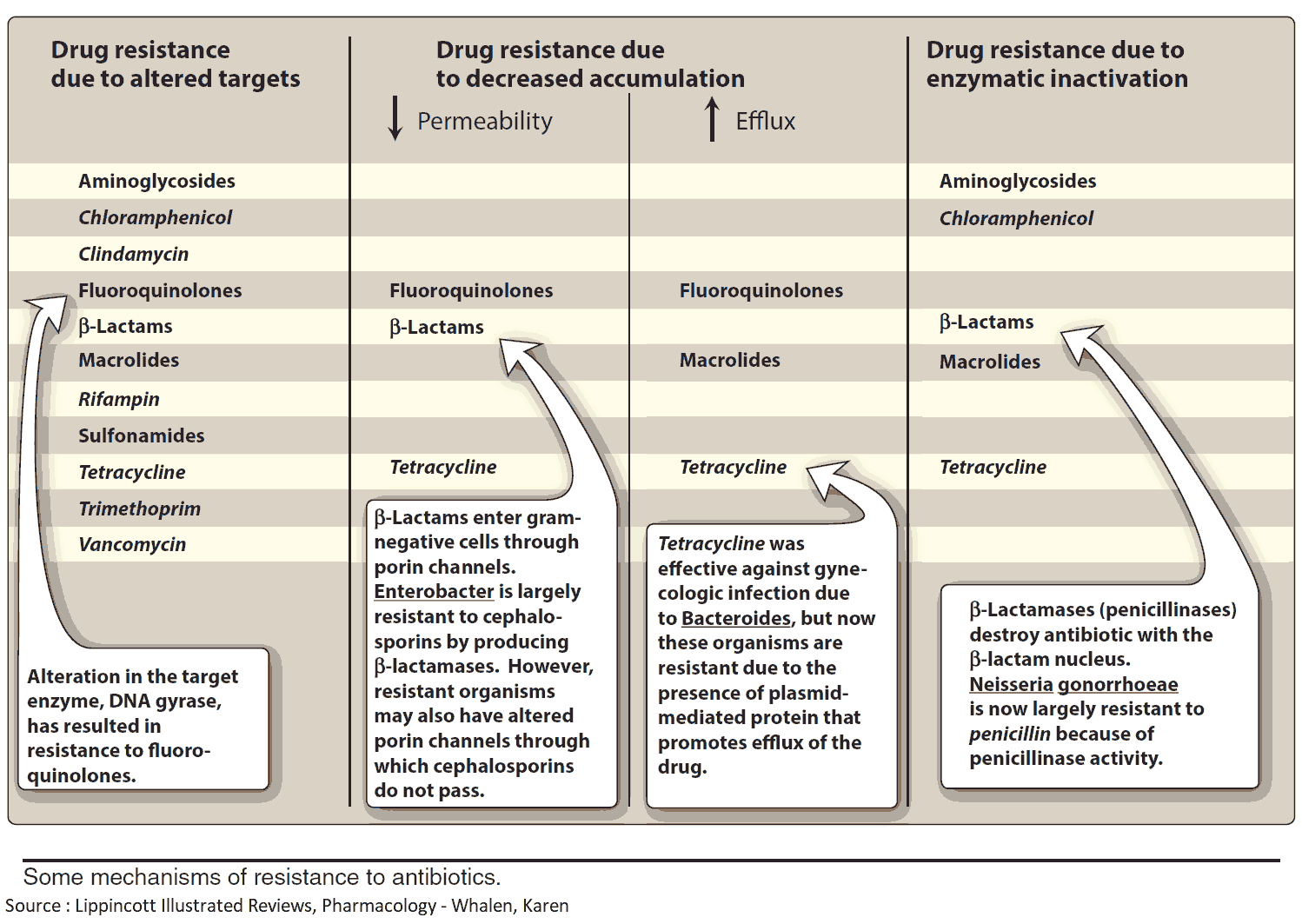
Antibiotics are prescribed to ~15% of emergency department (ED) patients and are among the most frequently utilized medications in emergency medicine. Often, the emergency provider (EP) must make clinical decisions…
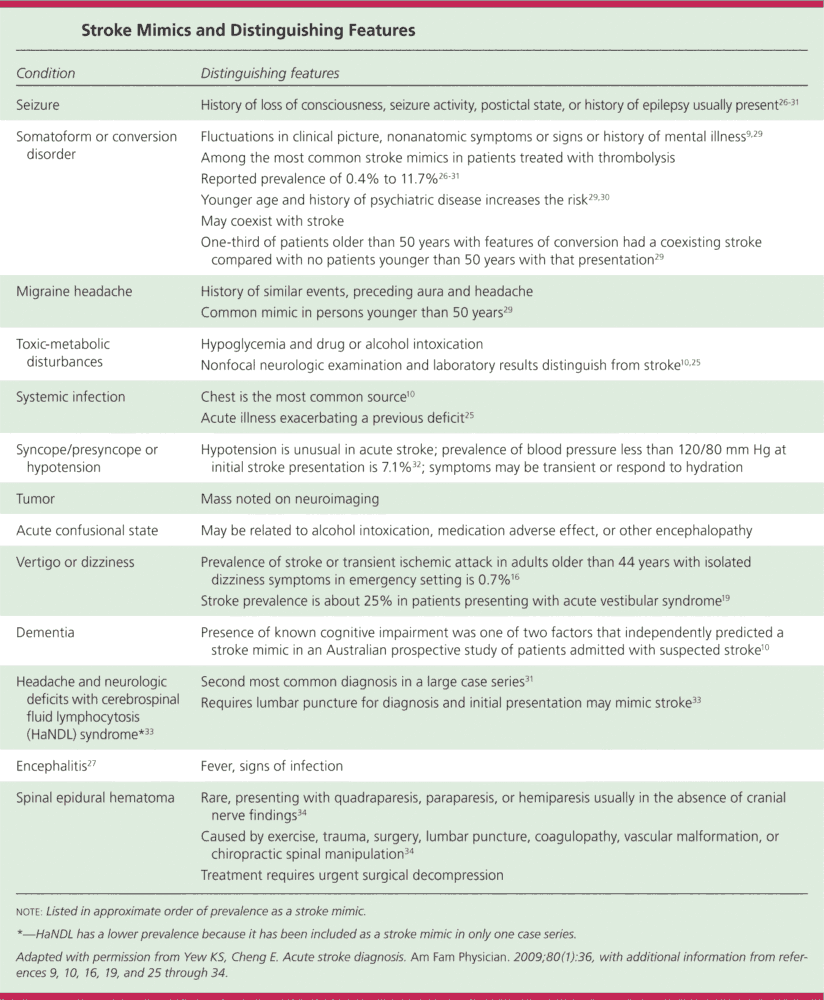
Acute Stroke mimics, or nonvascular disorders that produce focal neurologic deficits, often confound the diagnosis of acute ischemic stroke...