Antibiotics – Inhibitors of Cell Wall Synthesis
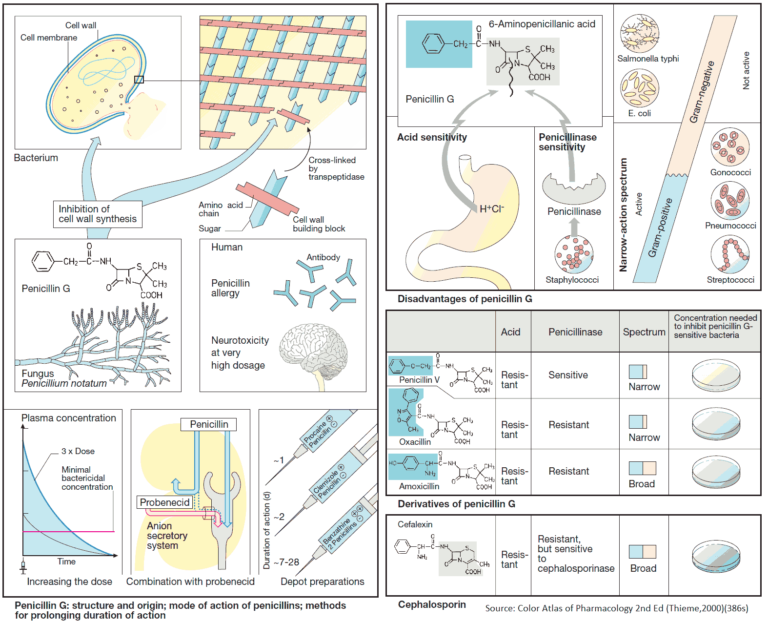
Inhibitors of cell wall synthesis are suitable antibacterial agents, because animal and human cells lack a cell wall. They exert a bactericidal action on growing or multiplying germs.

Inhibitors of cell wall synthesis are suitable antibacterial agents, because animal and human cells lack a cell wall. They exert a bactericidal action on growing or multiplying germs.
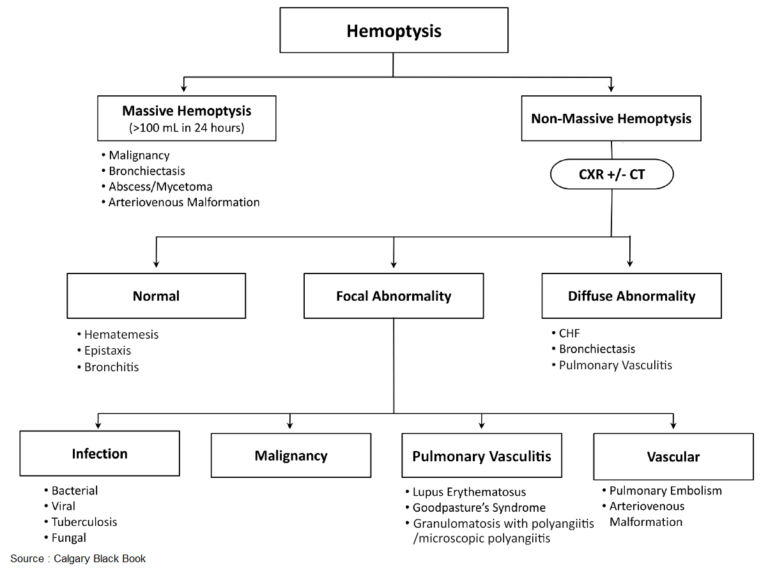
Hemoptysis is the expectoration of blood from a subglottic source. Massive hemoptysis accounts for ~5% to 15% of cases and is often described as more than 600 mL of blood in a 24-hour period.
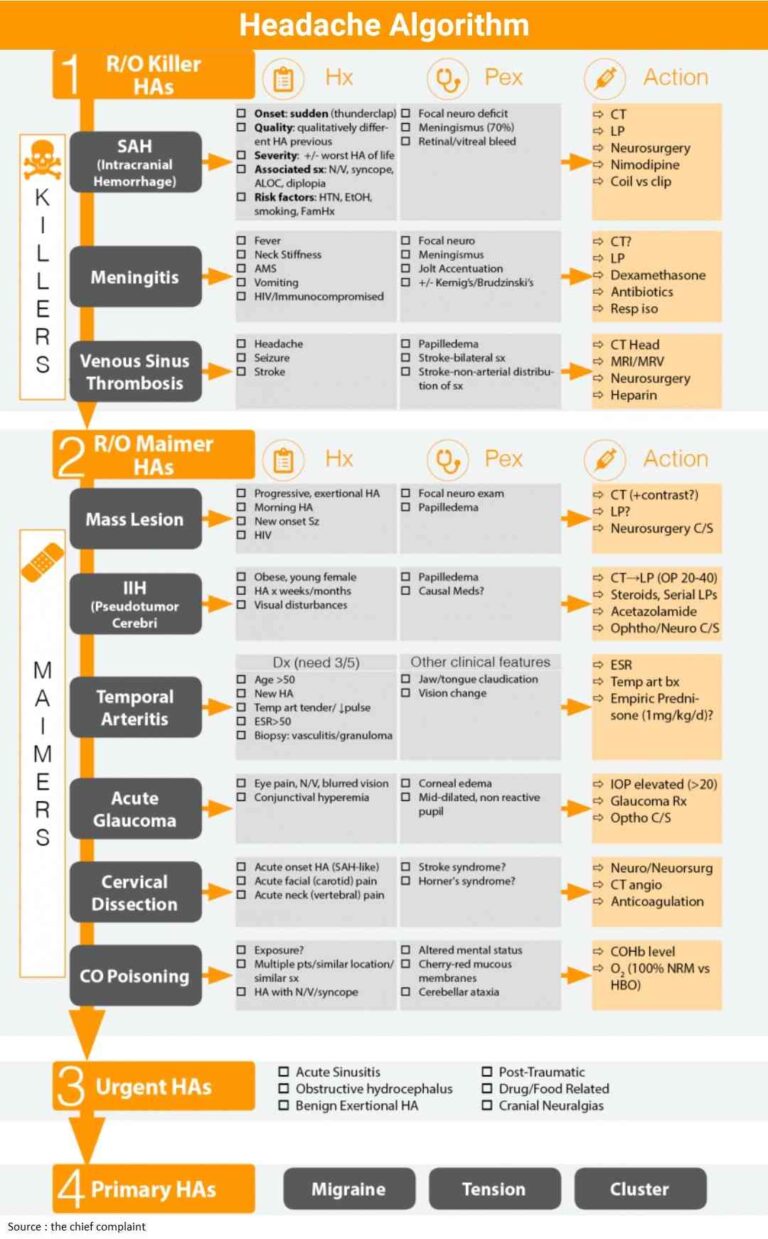
Emergency department evaluation relies on excluding life-threatening causes of Headache (killers), specifically SAH and meningitis. Then consider other serious causes of headache that can debilitate the patient (the maimers). When these have been excluded, we can then diagnose primary headache syndromes.
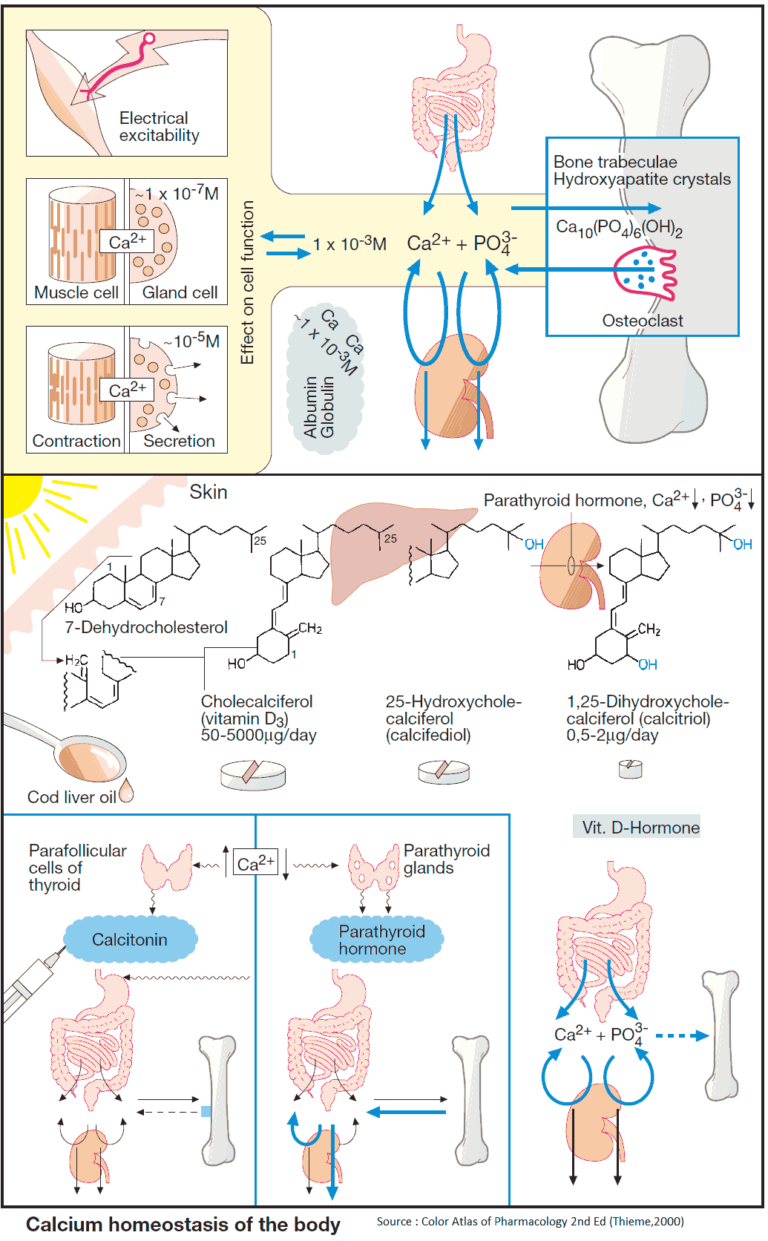
Three hormones are available to the body for maintaining a calcium homeostasis: Vitamin D, Parathormone, Calcitonin
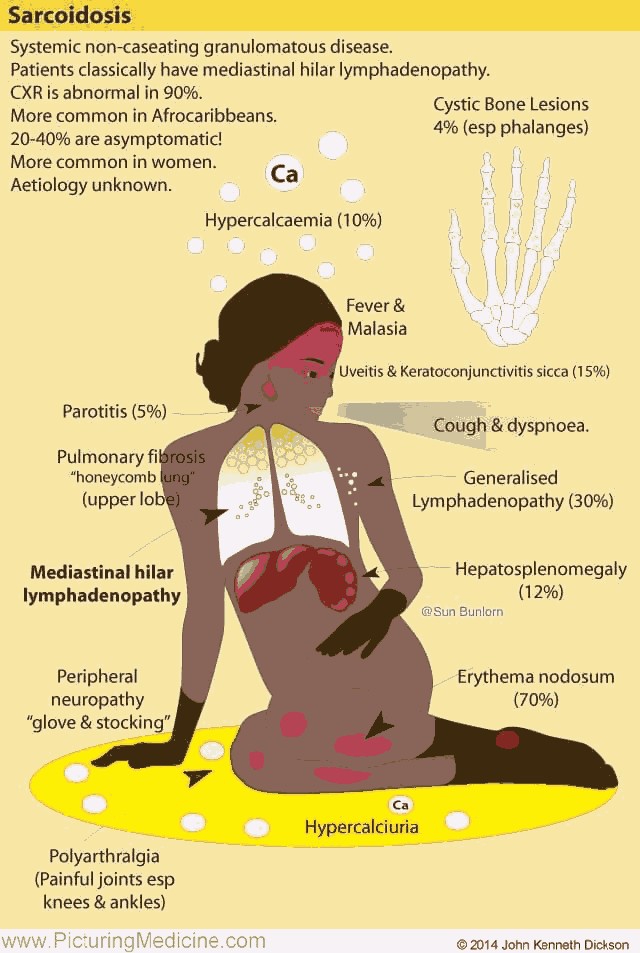
Sarcoidosis is a multisystem granulomatous disorder that is characterized by noncaseating granulomas. Pulmonary involvement is the most common manifestation, but extrapulmonary manifestations are seen in up to 30% of patients.
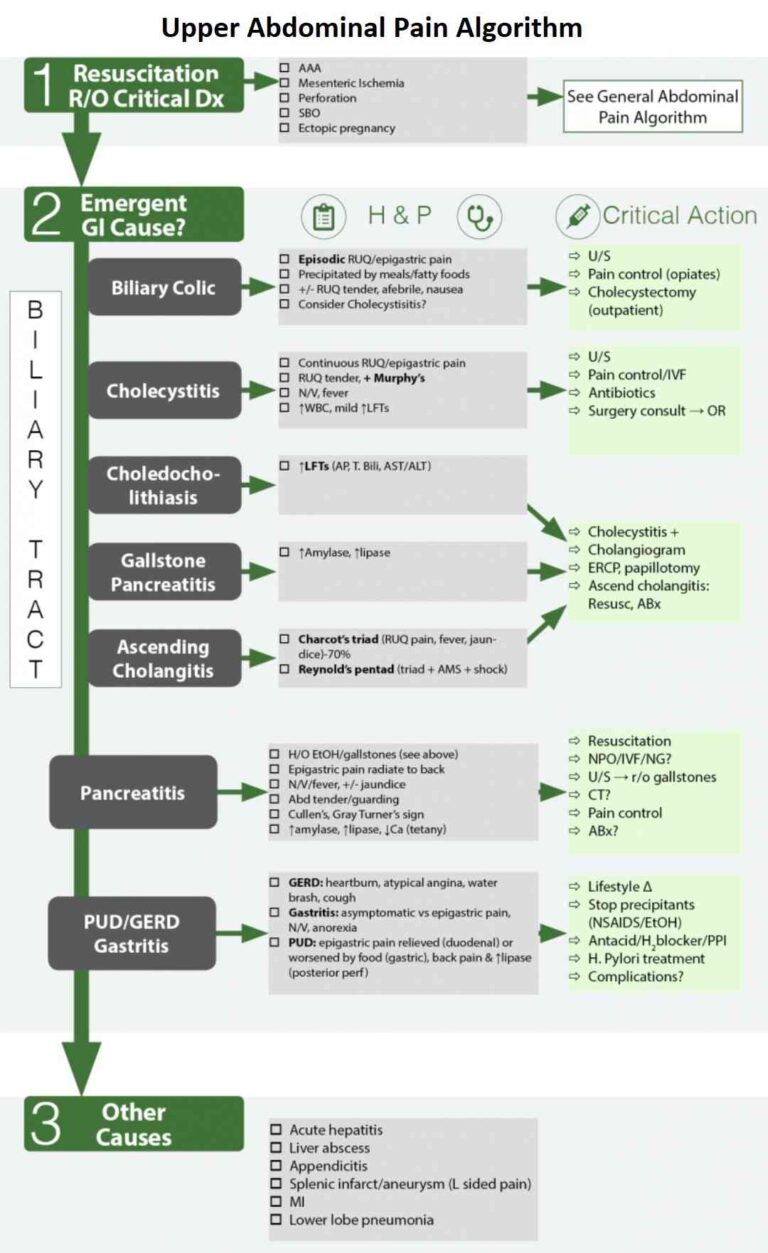
Work-up for upper abdominal pain begins with resuscitation and exclusion of critical diagnoses. Then, through a detailed history and physical, consider all the causes of upper abdominal pain. The differential may then come down to Gallstone etiology vs Gastritis/PUD → will need further imaging based on suspicion (US abdomen)
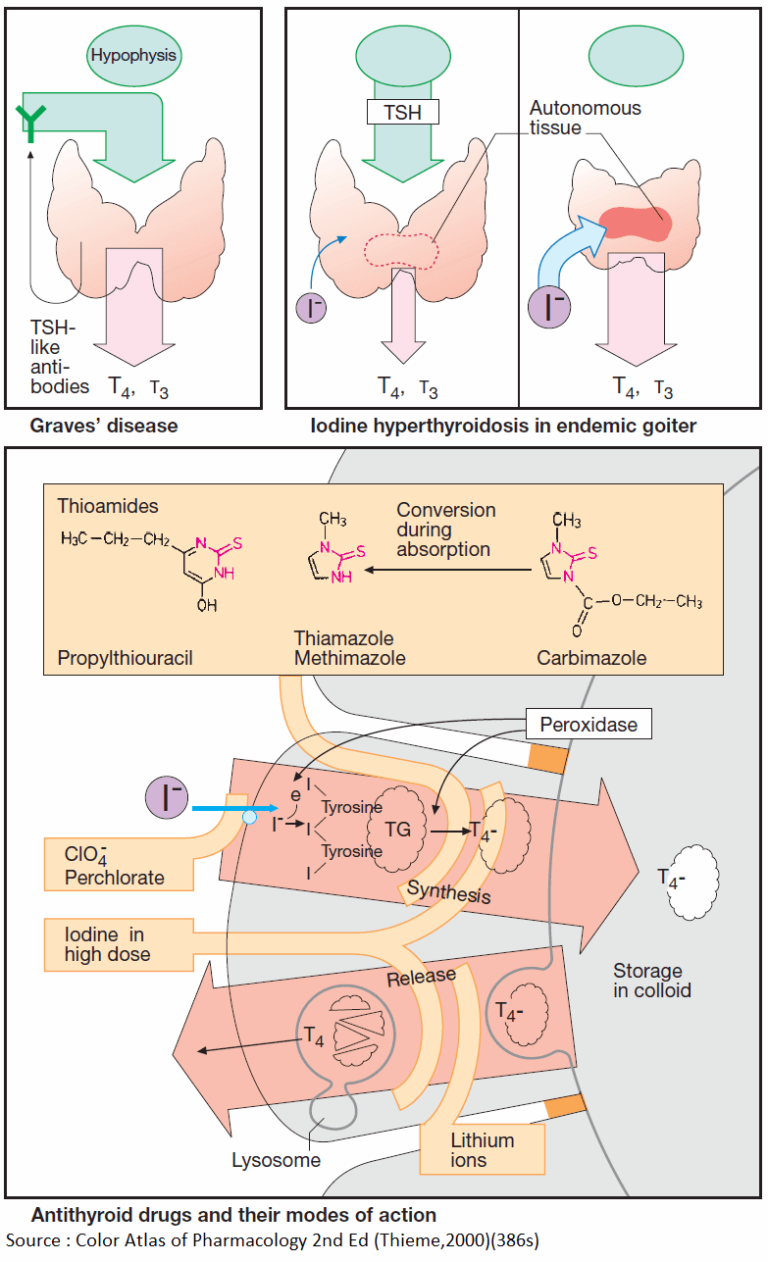
Thyroid overactivity in Graves’ disease results from formation of IgG antibodies that bind to and activate TSH receptors. Consequently, there is overproduction of hormone with cessation of TSH secretion. Graves’…
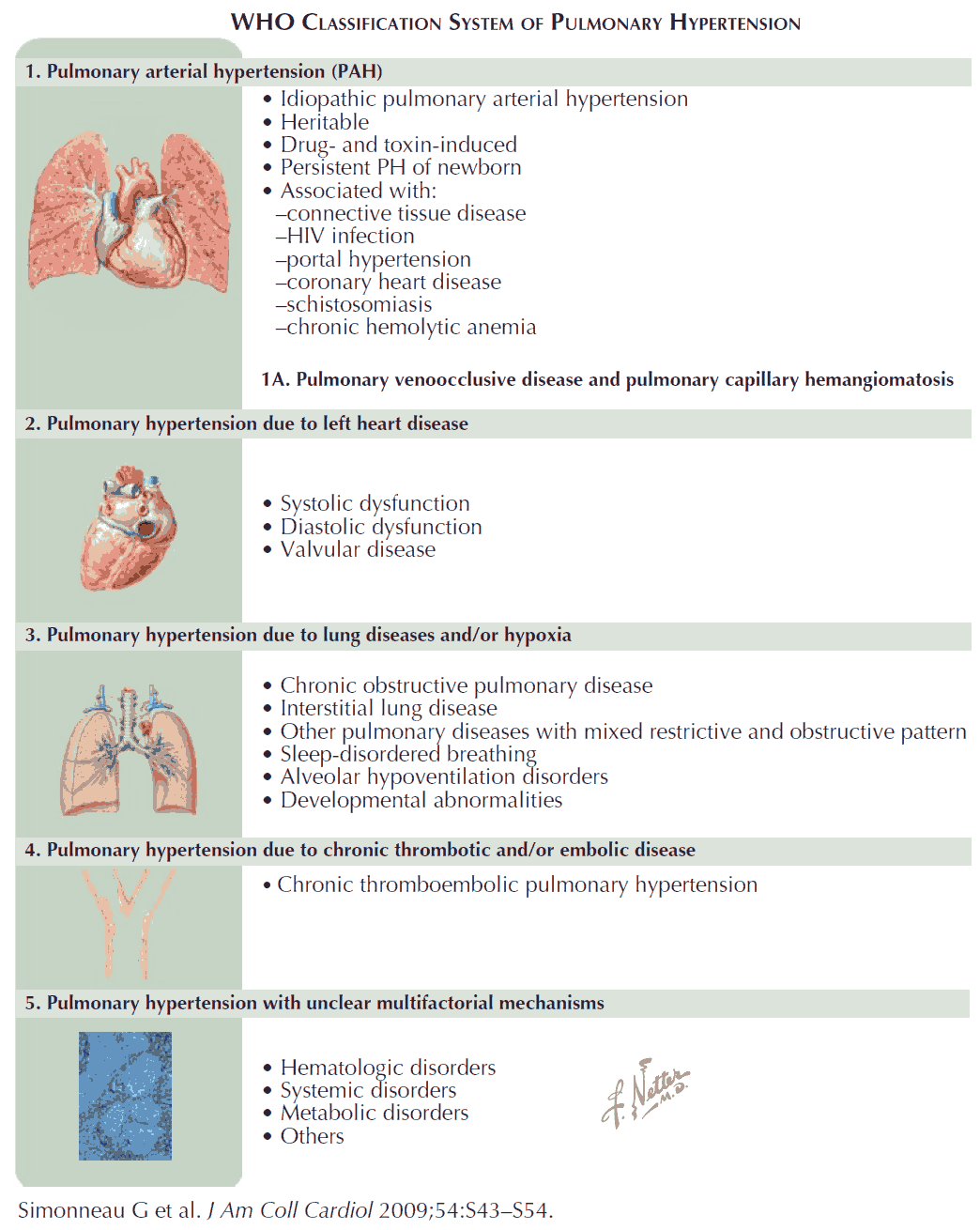
Sudden deterioration in RV function can rapidly lead to shock, cardiovascular collapse, and death. In the ED, it is important to rapidly recognize and treat common precipitants of acute decompensation. These include sepsis, tachyarrhythmias, hypoxia, pulmonary embolism (PE), and the abrupt withdrawal of vasodilator medications.
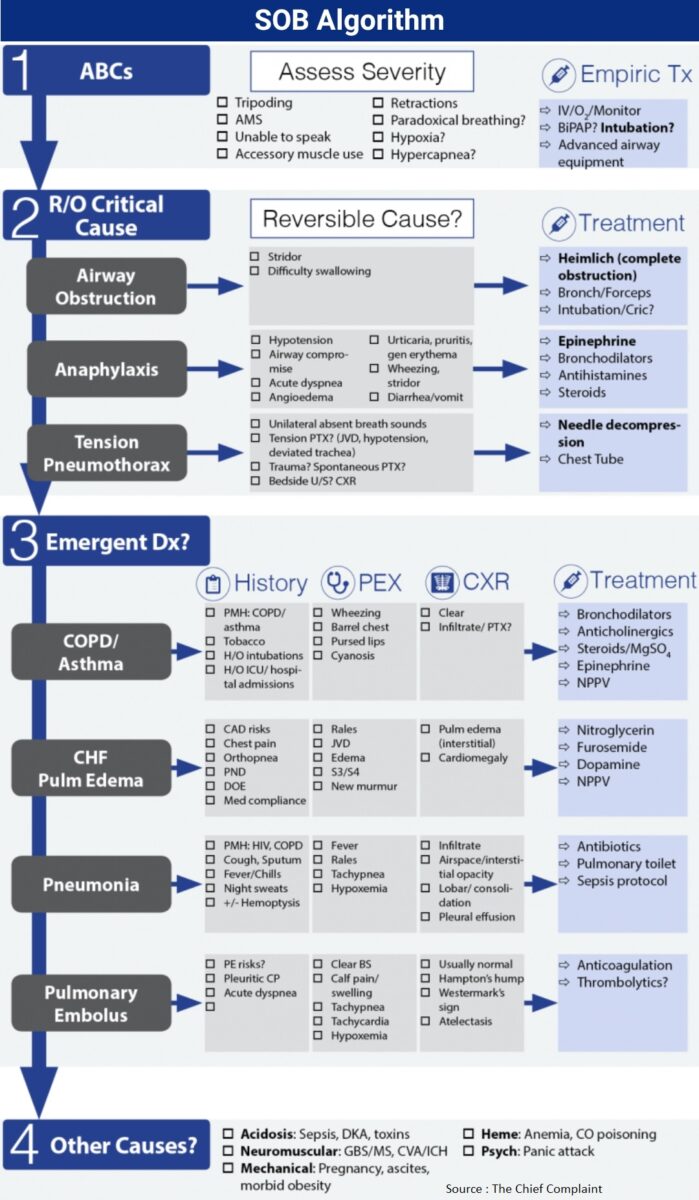
Assess severity of dyspnea, including need for intubation/airway management based on physical examination. Emergent intubation indicated regardless of cause if severe respiratory distress/arrest. Consider Critical diagnoses → may be able to cure patient and avert intubation if the underlying cause is corrected (i.e. chest tube insertion, foreign body removal…)
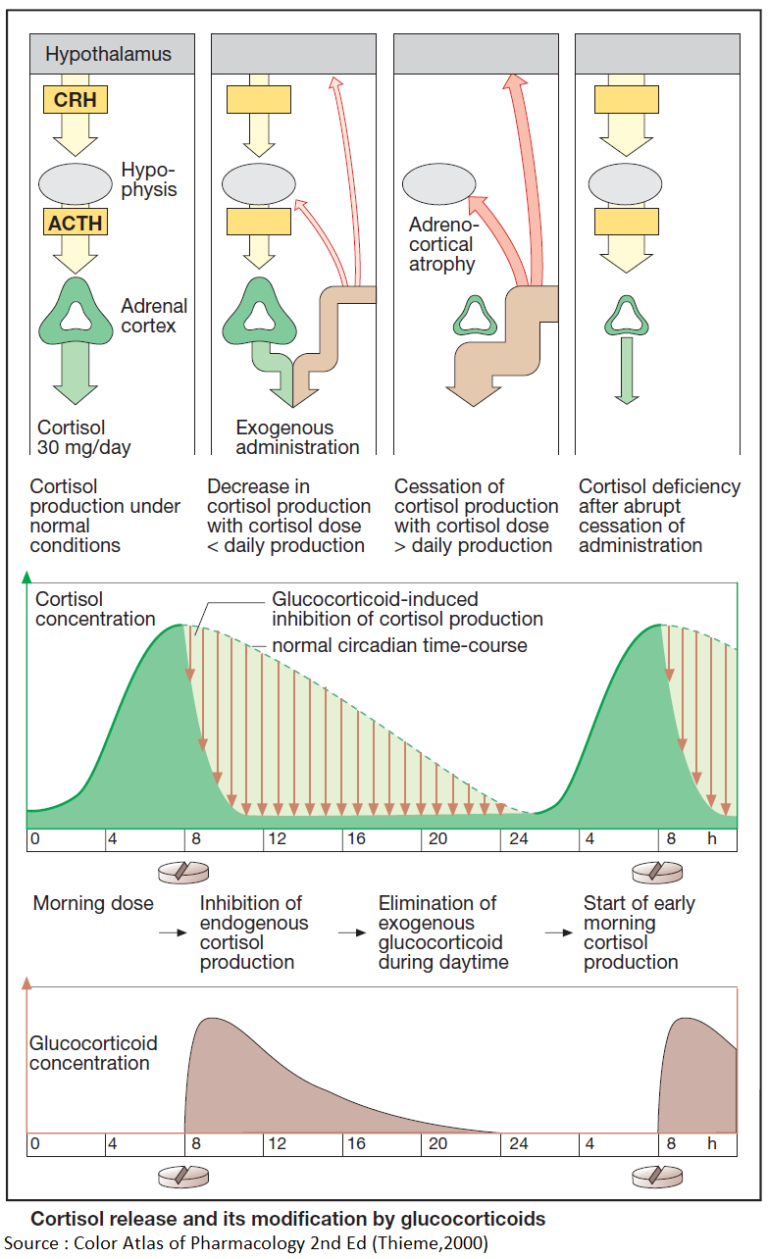
When glucocorticoid medication is suddenly withheld, the atrophic cortex is unable to produce sufficient cortisol and a potentially life-threatening cortisol deficiency may develop. Therefore, glucocorticoid therapy should always be tapered off by gradual reduction of the dosage.